
Building a Product Shortlist for Solar, Storage and EV Integration
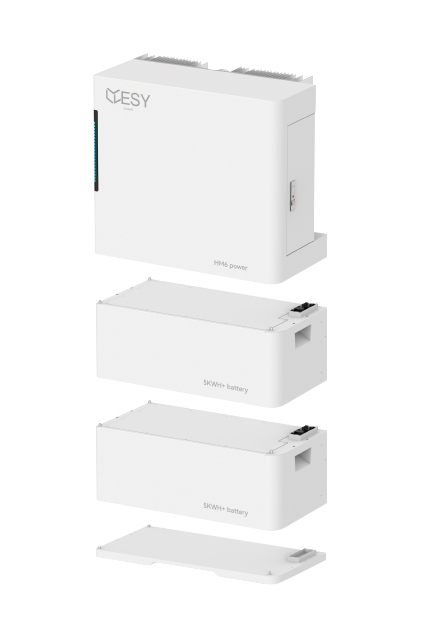
A practical shortlist for solar, storage and EV integration should compare PV efficiency, inverter compatibility, battery safety, charging functions, communication standards, and lifecycle cost. By 2025, global solar capacity exceeded 2 TW, battery storage installations reached over 100 GWh annually, and EV sales passed 17 million units in a single year. A suitable product combination should match energy demand, installation conditions, and future expansion plans.
Solar, storage, and EV systems are moving from separate devices into connected energy platforms. A solar panel produces electricity, a battery stores excess generation, an inverter manages energy conversion, and an EV charger connects transportation demand with the power system.
A product shortlist needs to start with the expected use case. A home backup system, a commercial building, and an EV charging location require different equipment combinations.
| Application | Typical System Size | Main Equipment |
|---|---|---|
| Residential backup | 5–15 kW PV, 10–30 kWh storage | Hybrid inverter, LFP battery, smart charger |
| Small commercial building | 30–250 kW PV, 50–500 kWh storage | Commercial inverter, EMS, battery cabinet |
| Large C&I project | 500 kW–multi-MW | Container ESS, grid control system |
| EV charging site | 100 kW–MW level | DC chargers, storage, energy management |
The selection process starts with solar modules because PV generation determines how much energy enters the system. Modern solar products have improved significantly since 2020, with TOPCon modules reaching commercial efficiencies above 22% and premium heterojunction modules exceeding 23%.
Module selection should include:
-
Module efficiency under standard conditions
-
Temperature coefficient
-
Annual degradation rate
-
Mechanical strength
-
Warranty period
-
Compatibility with inverter voltage range
A solar module with higher efficiency does not always create better system performance. A 400 W module and a 450 W module may have different installation requirements, and available roof space, shading conditions, and electricity demand can influence the final design.
The electricity produced by PV modules must be converted and managed by an inverter. Hybrid inverters have become widely used because they combine solar conversion, battery charging, backup supply, and energy monitoring functions.
Modern hybrid inverter specifications commonly include:
| Parameter | Typical Range |
|---|---|
| Conversion efficiency | 96%–99% |
| Backup switching time | 10–20 ms |
| Battery voltage range | 100–600 V |
| Communication | CAN, RS485, Ethernet, Wi-Fi |
| Operating life | 10–15 years |
A 98% efficient inverter operating for 20 years can provide noticeably more usable electricity compared with a 95% efficient model. Small efficiency differences become important when systems operate thousands of hours every year.
Battery selection requires evaluation of chemistry, cycle performance, safety design, and temperature management. Lithium iron phosphate batteries have become the main choice for stationary storage because they provide stable performance and long cycle life.
Typical LFP battery specifications include:
| Feature | Common Specification |
|---|---|
| Energy capacity | 5 kWh–5 MWh |
| Cycle life | 4,000–10,000 cycles |
| Round-trip efficiency | 88%–95% |
| Depth of discharge | 80%–95% |
| Calendar life | 10–15 years |
A battery rated at 10,000 cycles can support daily charging and discharging for more than 25 years under ideal conditions. However, actual service life depends on temperature, charging speed, and operating strategy.
“Battery performance depends on the complete storage system, including cells, BMS software, thermal control, and protection design.”
For residential and commercial users, integrated solutions are becoming more common. Companies now provide complete residential and C&I ESS products that combine battery modules, inverters, monitoring platforms, and installation support.
These integrated products reduce compatibility issues between different suppliers. A residential system installed in 2025 may include a 10 kW hybrid inverter, 20 kWh LFP battery, and 7 kW EV charger, allowing homeowners to increase self-consumption and reduce grid electricity usage.
After storage selection, EV charging capability becomes another important part of the shortlist. Electric vehicles are increasing electricity demand, and charging systems need to communicate with solar and storage equipment.
EV charging products can be divided into several categories:
| Charger Type | Power Range | Common Use |
|---|---|---|
| AC Level 2 | 3.7–22 kW | Homes and offices |
| DC fast charger | 50–350 kW | Public charging stations |
| Bidirectional charger | 7–50 kW | Vehicle-to-home/grid systems |
The EV market expanded rapidly after 2020. Global EV sales reached approximately 17 million units in 2024, increasing the need for charging systems that can work with renewable electricity.
A home with solar generation can schedule EV charging during daytime hours when PV output is high. A commercial building can combine storage and charging management to reduce electricity demand peaks.
The connection between devices depends heavily on communication standards. Without proper communication, solar, storage, and EV equipment may operate separately instead of as one system.
Common communication technologies include:
| Standard | Purpose |
|---|---|
| CAN Bus | Battery and inverter communication |
| Modbus TCP/RTU | Industrial equipment connection |
| MQTT | Cloud monitoring |
| OCPP | EV charger management |
| IEC 61850 | Utility applications |
Open communication support is becoming more important as energy systems expand. A battery installed today may need to connect with new chargers, smart meters, or energy management platforms several years later.
Safety certification should also be included when comparing products. Battery systems are commonly evaluated according to standards such as UL 9540, UL 9540A, and IEC 62619. Inverters and chargers require regional electrical safety and grid connection approvals.
A product shortlist should check:
-
Battery thermal management design
-
Fire safety testing
-
Electrical protection functions
-
Software update support
-
Manufacturer service capability
System cost should be measured across the full operating period rather than only the purchase price. A lower-priced battery may have shorter cycle life, weaker monitoring functions, or limited warranty coverage.
A simple evaluation model can include:
| Category | Suggested Weight |
|---|---|
| Safety and certification | 25% |
| Equipment compatibility | 20% |
| Lifecycle cost | 20% |
| Efficiency | 15% |
| Software features | 10% |
| Supplier support | 10% |
Energy management software is becoming more important as electricity markets change. Since 2023, many regions have introduced time-based electricity pricing, allowing users to store electricity when prices are lower and use stored energy during expensive periods.
AI-based energy platforms can analyze:
-
Weather forecasts
-
Solar production data
-
Electricity prices
-
User consumption patterns
-
Battery status
For commercial facilities, this approach can improve energy scheduling and reduce electricity expenses. A factory or office building with a 500 kWh battery system may use software control to decide when to charge, discharge, or reserve capacity for backup.
Future product selection will also consider scalability. A small residential system may later add more batteries, solar panels, or EV chargers. Commercial systems may expand from hundreds of kilowatt-hours to megawatt-hour storage capacity.
A flexible architecture usually includes:
| Expansion Area | Example Upgrade |
|---|---|
| Storage | Add battery modules |
| Solar | Add PV strings |
| EV | Add charging ports |
| Software | Connect EMS platform |
The best shortlist is based on how well the products work together over many years. Solar modules, batteries, inverters, chargers, and software should support the same operating strategy.
A well-designed solar, storage, and EV system combines reliable hardware, compatible communication, strong safety standards, and room for future expansion. The selection process should focus on complete system performance rather than choosing individual products separately.
Get the weekly Census Brief — verified figures, source pairs, and confidence scores, every Friday morning.
Get the Free Census Brief